


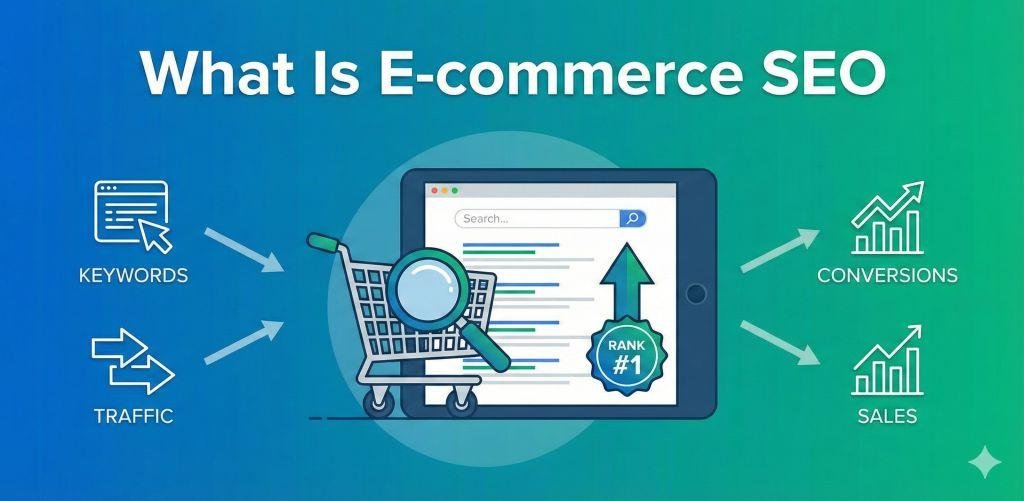
Is your online store ready for the AI-driven search landscape of 2026? with Google’s Search Generative Experience (SGE) and shifting buyer behaviors, the old “keyword stuffing” tactics are dead. You need a precision-engineered strategy and should read the E-commerce SEO Checklist before moving forward.
At YoGrow Solutions Pvt Ltd, we use this exact checklist to audit and scale 7-figure e-commerce brands. Whether you’re on Shopify, Magento, or WooCommerce, this step-by-step guide covers every critical element to rank higher, drive traffic, and convert visitors.
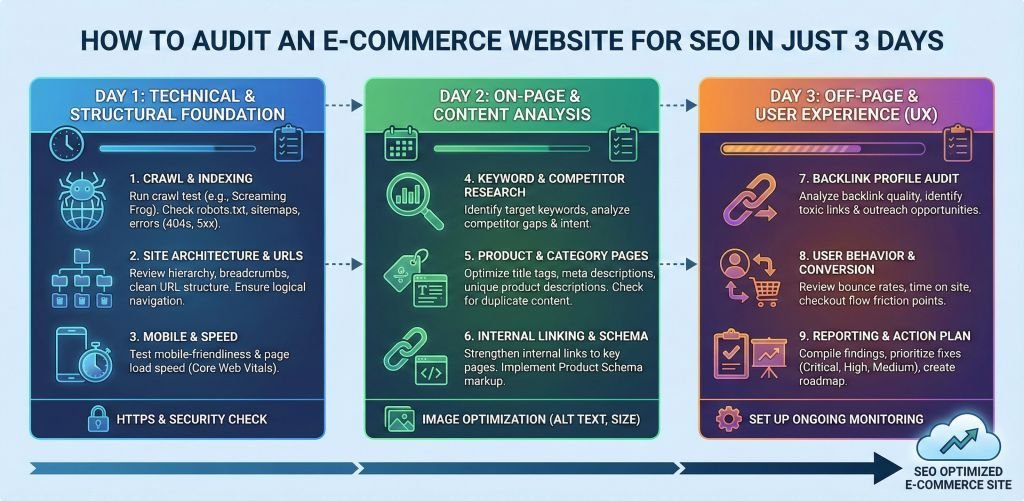
If your site can’t be crawled, it can’t be ranked.
· HTTPS Everywhere: Ensure your SSL certificate is valid. Non-secure sites are penalized.
· Robots.txt Optimization: Check `robots.txt` to ensure you aren’t blocking critical pages (like categories) while correctly blocking admin pages/carts.
· XML Sitemap: Submit a clean XML sitemap to Google Search Console. Ensure it excludes “noindex” pages.
· Fix 404 Errors: specific tool like Ahrefs or Screaming Frog to find broken links. Redirect (301) them to relevant live products.
· Canonical Tags: CRITICAL for E-commerce. Ensure every product and category page has a self-referencing canonical tag to prevent duplicate content issues from URL parameters (e.g., `?sort=price`).
· Pagination Handling: Use `rel=”next”` and `rel=”prev”` tags (or proper self-referencing canonicals) for paginated category pages.
· Mobile Usability: Test with Google’s Mobile-Friendly Test. 2026 is mobile-first.
· LCP (Largest Contentful Paint): Ensure main content loads in < 2.5 seconds.
· CLS (Cumulative Layout Shift): Prevent elements from jumping around (often caused by dynamic ads or late-loading images).
· Image Compression: Use WebP format. Products images should be crisp but light.
Stop looking for just volume. Look for Intent.
· Identify High-Intent Keywords: Focus on “Buy”, “Best”, “Review”, “VS” keywords.
· Map Keywords to URLS: Assign one primary keyword per page.
· Homepage: Brand + Main Niche
· Category: Broad terms (e.g., “Mens Running Shoes”)
· Product: Specific Long-tail (e.g., “Nike Pegasus 40 Black Size 10”)
· Analyze Competitors: Check what keywords your top 3 competitors rank for but you don’t (Content Gap).
· Voice Search Queries: Target natural language questions (“How do I clean leather boots?”) for your blog.
This is where you convince the user (and the bot).
· H1 Tags: Ensure only one H1 per page, including the product name and key attributes.
· Unique Descriptions: WRITE UNIQUE COPY. Do not use the manufacturer’s description.
· Descriptive Alt Text: Optimize image Alt tags `alt=”Black Leather Chelsea Boots Side View”`. Crucial for Visual Search.
· Social Proof: Enable user reviews. Reviews add fresh content and build trust (E-E-A-T).
· Urgency/Stock Elements: clearly display “In Stock” or “Only 3 left” (helps with CTR and conversion).
· Introductory Text: Add 100-150 words of descriptive text at the top or bottom of category pages to give context to search engines.
· Internal Linking: Link to popular sub-categories or “Best Sellers” within the description.
Stand out in the SERPs with “Stars”, Price, and Availability.
· Product Schema: Implement proper JSON-LD `Product` schema. Must include Name, Image, Description, SKU, and `Offers` (Price/Currency).
· Review/AggregateRating Schema: Essential for getting star ratings in search results.
· BreadcrumbList Schema: Helps Google understand site structure and displays nice breadcrumb trails in SERPs.
· Organization/LocalBusiness Schema: Build brand entity signals.
· Start a Blog: Answer customer questions. “How to choose…”, “Best X for Y…”.
· Topic Clusters: Group content. If you sell coffee, write about brewing methods, bean types, and equipment, interlinking them all.
· Internal Linking Strategy: Link FROM high-authority blog posts TO your money pages (products/categories).
· Unlinked Brand Mentions: Find sites mentioning your brand name but not linking. Ask them to add the link.
· Supplier/Partner Links: Ask your manufacturers or distributors to list you as an “Authorized Retailer” with a link.
· Influencer Reviews: Send products to niche bloggers for authentic reviews (and links).
Implementing this checklist can be overwhelming. That’s where YoGrow Solutions comes in.
We don’t just tick boxes; we build comprehensive growth strategies tailored to your unique market position.
Why Partner With Us?
1. Technical Mastery: We fix the deep code issues others miss.
2. Content That Converts: Our copywriters blend SEO science with sales psychology.
3. Data-Driven Results: We track revenue, not just rankings.
SEO is a marathon, not a sprint. By systematically working through this ecommerce seo checklist, you are building a defensible moat around your business. Start with the technical basics, master your on-page content, and never stop building authority.
Need a professional audit?
Website: https://yogrowsolutions.com
Email: info@yogrowsolutions.com
Phone: +1 (571) 408-6124
Address: 418 BROADWAY, ALBANY, NY 12207



Leave A Reply Now