


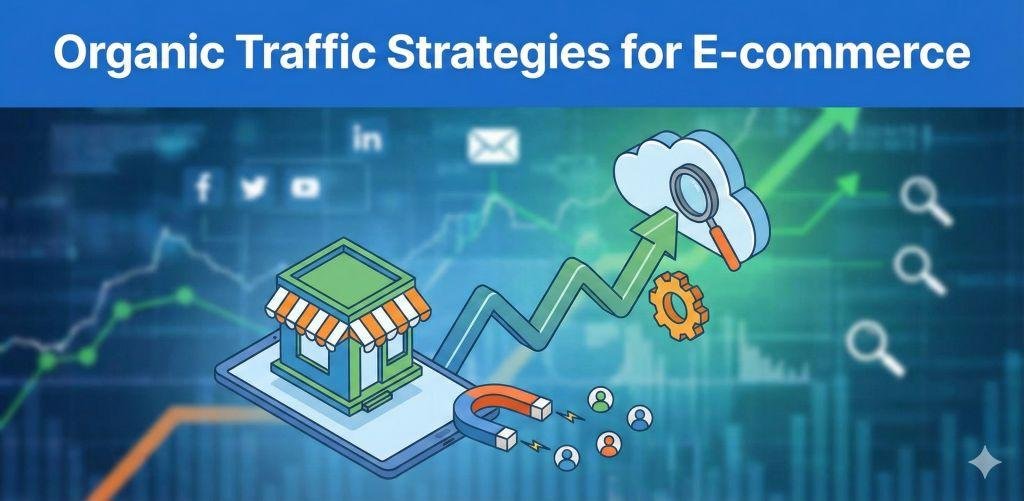
Paid ads are getting expensive. In 2026, the cost per acquisition (CPA) for Facebook and Google Ads continues to climb, squeezing margins for online retailers. The smartest brands are pivoting back to the most sustainable growth engine: Organic Traffic.
Driving organic traffic to your online store isn’t just about “doing SEO”; it’s about building a holistic ecosystem that attracts, engages, and converts high-intent buyers without paying for every click. This guide outlines the proven strategies to scale your e-commerce traffic organically.
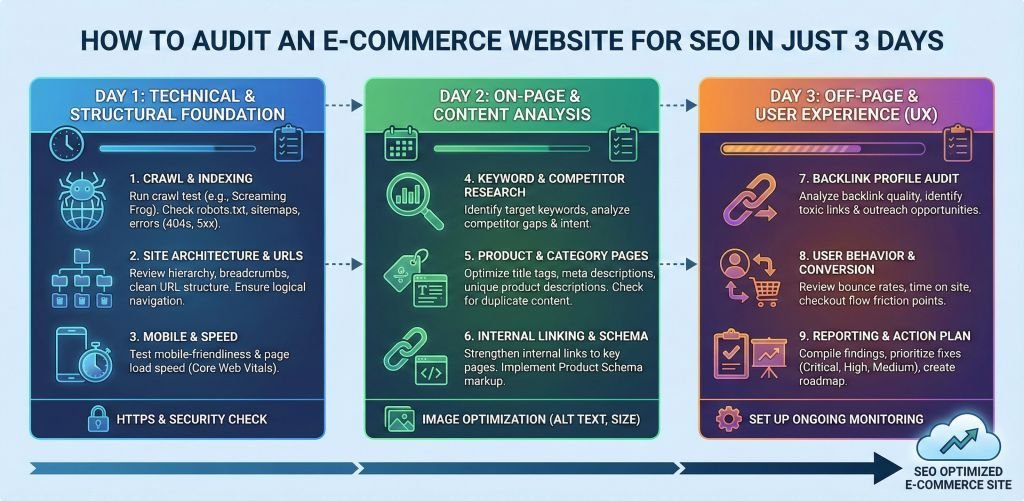
Before you create content, your foundation must be solid.
Site Architecture: Ensure your category and product pages are logically structured. A flat architecture (home > category > product) helps Google crawl your site efficiently.
Canonical Tags: Duplicate content is an e-commerce killer. Use canonical tags to tell Google which version of a product page (e.g., ignoring color/size parameters) is the master.
Schema Markup: Implement `Product`, `Review`, and `Offer` schema to win rich snippets in search results.
Don’t just sell products; solve problems. The best way to increase organic traffic is to capture users at the top of the funnel.
The Hub: Create a comprehensive guide on a broad topic (e.g., “The Ultimate Guide to Home Coffee Brewing”).
The Spokes: Write supporting articles linking back to the hub (e.g., “Best Grinders for Espresso,” “History of Arabica Beans”).
The Product Link: subtly integrate your products as the solution within these guides.
Keywords to Target: Use high-volume informational terms like drive traffic to website free to attract researchers who will become buyers.
Big brands dominate broad terms like “running shoes.” You win by targeting specifics.
Strategy: Target specific queries like “best waterproof trail running shoes for wide feet.”
Why it works: Lower search volume, but much higher conversion rate and lower competition.
Implementation: optimize product descriptions and blog posts for these specific long-tail keywords.
Your customers are your best copywriters.
Reviews: detailed reviews add unique, constantly fresh content to your product pages, which Google loves.
Q&A Sections: An “Ask a Question” section on product pages generates natural language content that matches voice search queries.
You need authority to rank.
Digital PR: Get featured in “Best of” lists and gift guides by pitching journalists and bloggers.
Unlinked Brand Mentions: Find sites mentioning your brand without a link and ask them to add one.
Guest Posting: contribute valuable insights to relevant industry blogs in exchange for a backlink.
Implementing a robust organic traffic strategy is complex. It requires a blend of technical skill, creative content, and persistent outreach.
At YoGrow Solutions, we turn e-commerce stores into traffic magnets.
Deep Dive Audits: We identify the hidden technical errors bleeding your traffic.
Revenue-Focused content: We write content designed to sell, not just rank.
Authority Building: We secure high-quality backlinks that move the needle.
Reliance on paid ads is a liability. Organic traffic is an asset. By investing in these strategies today, you build a moat around your business that protects you from rising ad costs and market volatility.
Start investing in your organic future with YoGrow Solutions.
—
Website: https://yogrowsolutions.com
Email: info@yogrowsolutions.com
Phone: +1 (571) 408-6124
Address: 418 BROADWAY, ALBANY, NY 12207





Leave A Reply Now