


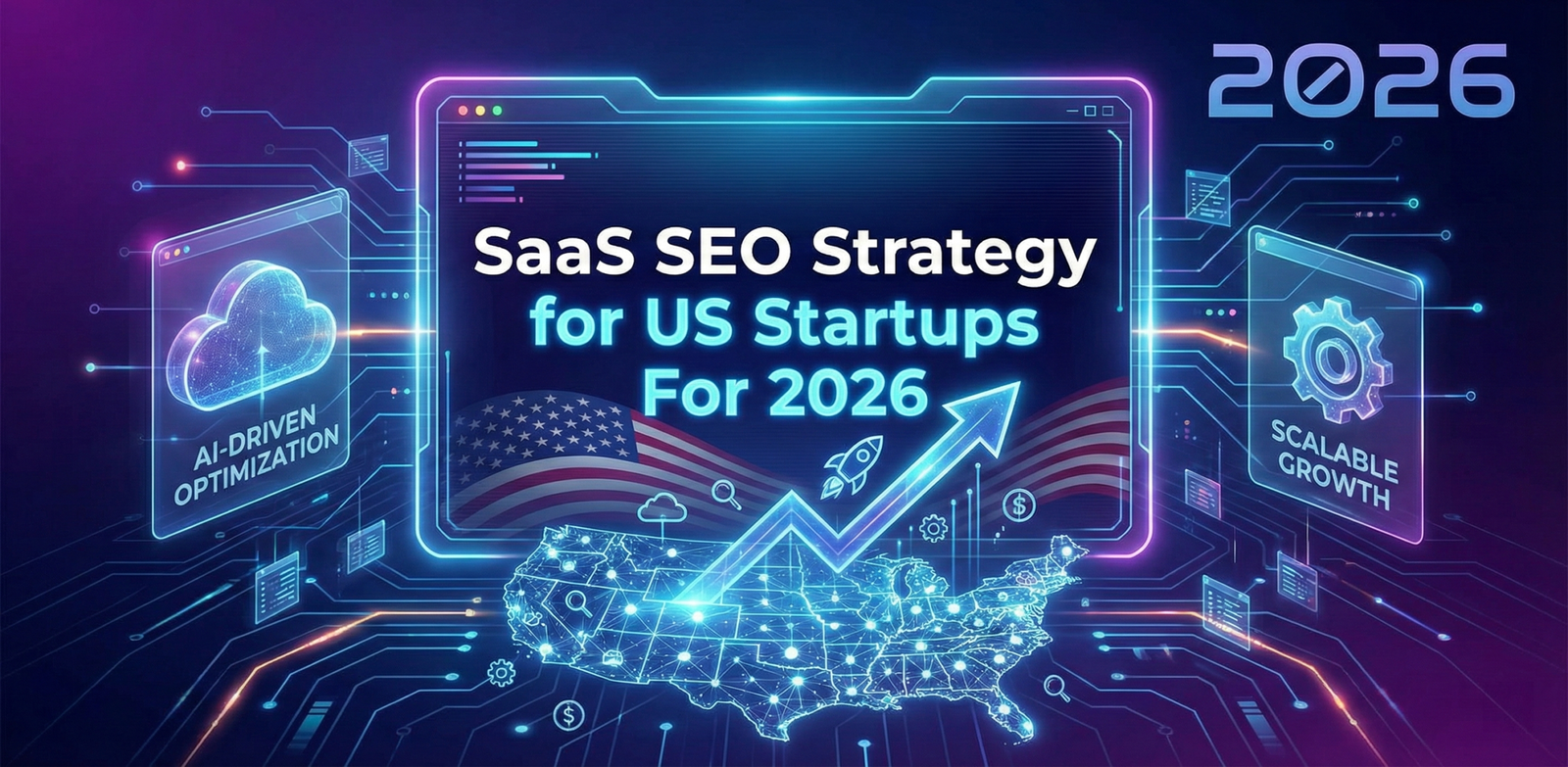
In the hyper-competitive landscape of the United States, SaaS SEO strategy has shifted tectonically. Gone are the days when simple blog posts and backlink buying could secure a Series A startup a spot on Page 1.
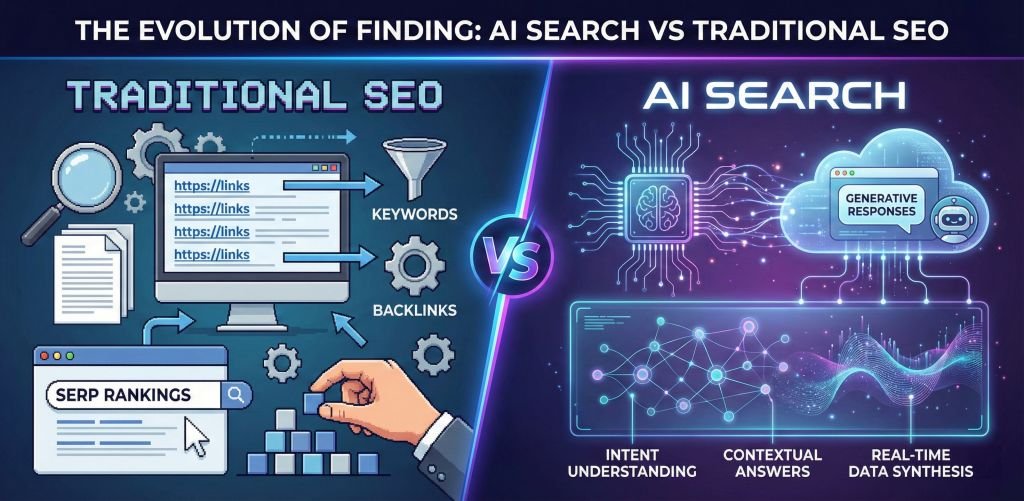
By 2026, the game has evolved. With the dominance of AI search optimization for SaaS and Google’s Search Generative Experience (SGE), the path to organic growth for SaaS companies is no longer just about traffic—it’s about becoming the only answer.
At YoGrow Solutions Pvt Ltd, we’ve analyzed the playbook of Silicon Valley’s fastest-growing unicorns. The data is clear: to reduce customer acquisition cost (CAC) and increase MRR with SEO, you need an entity-first, product-led approach.
This guide is your blueprint for a scalable B2B SaaS SEO strategy that works in the AI era.
The biggest mistake early-stage SaaS SEO campaigns make is ignoring the “Zero-Click” reality. Users (and AI bots) want answers instantly. If your SaaS growth SEO plan doesn’t account for Google SGE optimization for SaaS and Gemini SEO optimization, you are optimizing for 2022.
Modern search engines don’t just match strings of text; they understand concepts. Entity-based SEO for SaaS means Google essentially builds a knowledge graph around your brand. It wants to know:
Who you are (SaaS Brand).
What you sell (Project Management Tool).
Whom you serve (Enterprise vs. SMB).
If you are a New York SaaS SEO agency searching for clients, or a startup in Austin looking for managed SEO for SaaS startups, the algorithm is looking for trust signals and topical authority first, keywords second.
Forget search volume. In a low CAC growth strategy, high volume often means high waste. Our 2026 framework focuses on user intent optimization.
Break your keyword list into three tiers:
1. Problem-Aware (Top of Funnel): “How to automate payroll,” “common SaaS SEO mistakes.”
2. Solution-Aware (Middle of Funnel): “Best payroll software for startups,” “SaaS SEO services USA.”
3. Product-Aware (Bottom of Funnel): “Gusto alternatives,” “hire SaaS SEO expert,” “SaaS SEO pricing.”
For SEO for seed-stage startups, you cannot compete with HubSpot or Salesforce on day one. You win by dominating the margins.
Broad: “CRM software” ( Impossible)
Targeted: “SEO for Series A SaaS” or “Technical SEO for SaaS platforms in fintech.”
Using long-tail keywords for SaaS allows you to capture buyers who are ready to make a decision, not just browsing.
Your platform is your product. Technical SEO for SaaS platforms is non-negotiable. If Google can’t crawl your dynamic JavaScript pages, your SaaS content marketing strategy fails.
Core Web Vitals: Ensure your marketing site loads instantly. Speed is a ranking factor.
Crawlability: Use clear `robots.txt` and XML sitemaps.
Structure: Implement a flat hierarchy where every page is within 3 clicks of the homepage.
To establish SaaS SEO marketing dominance, you must build “Topic Clusters.”
1. Pillar Page (The Hub): A massive, 3,000+ word guide on a core topic (e.g., “SaaS Startup SEO Guide“).
2. Cluster Content (The Spokes): Supporting articles linking back to the hub (e.g., “SEO funnel for SaaS,” “SEO vs paid ads for SaaS“).
This internal linking structure passes authority from your high-traffic posts to your high-conversion pages, helping to reduce SaaS churn with SEO by keeping users educated and engaged.
Don’t just write blogs; create entry points to your product. Product-led growth SEO involves creating templates, calculators, or free tools that solve a specific problem.
Example: A “SaaS Pricing Calculator” page optimized for “demo-driven SEO strategy.”
Google’s E-E-A-T (Experience, Expertise, Authoritativeness, Trust) is the currency of 2026.
Case Studies: Publish detailed SaaS SEO case studies showing real results.
Expert Authors: Have your founders or best SaaS SEO agency partners byline the content.
Data-Backed Insights: Don’t just claim you are the best; prove it with proprietary data.
Vanity metrics (traffic) don’t pay salaries. A scalable SEO strategy for SaaS focuses on meaningful KPIs:
Marketing Qualified Leads (MQLs) from organic search.
Trial Signups or Demo Requests.
Customer Acquisition Cost (CAC): SEO should lower this over time.
Building a SaaS SEO strategy for US startups in 2026 requires more than just keywords. It demands a holistic approach that blends AI-driven SEO for SaaS, technical excellence, and deep user empathy.
Whether you are looking for SaaS SEO services in USA or building an in-house team, the goal remains the same: Provide undeniable value. When you solve your customer’s problem better than anyone else, rankings follow.
Ready to scale your SaaS? Partner with YoGrow Solutions, your expert in data-driven growth.
YoGrow Solutions Pvt Ltd
The Top Growth Partner for US SaaS Startups.
Website: https://yogrowsolutions.com
Email: info@yogrowsolutions.com
Phone: +1 (571) 408-6124
Address: 418 BROADWAY, ALBANY, NY 12207
Paid ads provide immediate traffic but stop working the moment you stop paying. Search engine optimization for SaaS is a long-term investment that compounds over time, lowering your CAC and increasing profitability. A hybrid approach is often best for early-stage companies.
Typically, a scalable SEO strategy for SaaS takes 6-12 months to show significant ROI. However, targeting low-competition long-tail keywords can yield quicker wins in months 3-4.
While location matters less in a remote world, a US-based SaaS SEO consultant or agency will have a better grasp of the cultural nuances, Silicon Valley SaaS SEO trends, and the specific competitive landscape of the American market.
The most common failure is “optimizing for search engines, not users.” Focus on inbound marketing for SaaS startups—answering real customer questions—rather than just stuffing keywords.



Leave A Reply Now