


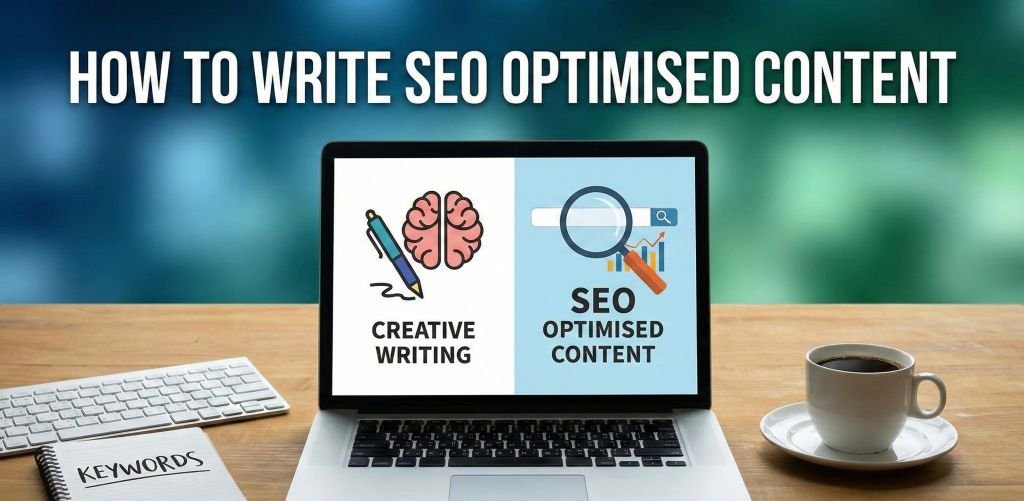
In 2026, how to write SEO optimised content is no longer just about satisfying an algorithm—it’s about surviving the AI revolution.
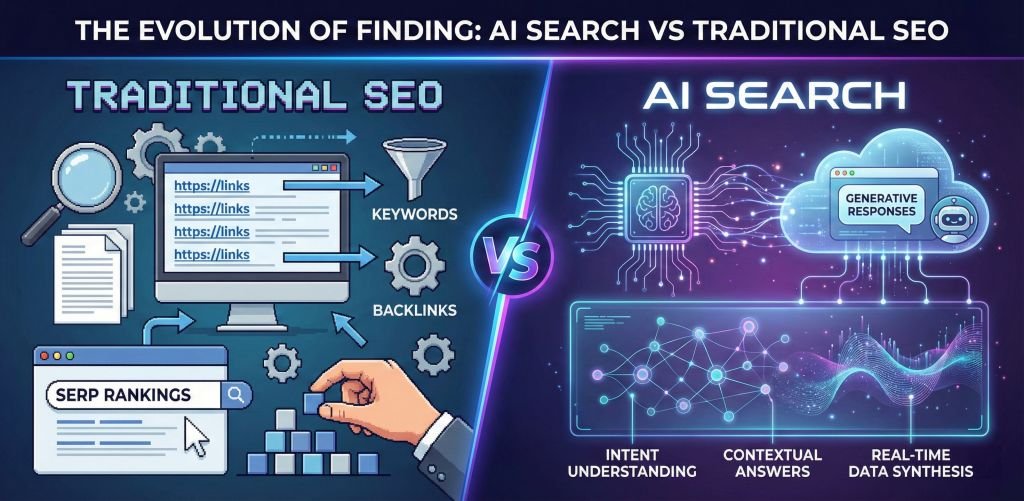
With Google’s Search Generative Experience (SGE) and AI tools like ChatGPT handling billions of queries, the “10 blue links” era is fading. Today, 69% of Google searches end without a click. To capture the remaining 31%—and more importantly, to be the source that AI cites—you need a radically new approach.
At YoGrow Solutions Pvt Ltd, we have overhauled our strategies for the AI age. We don’t just write search engine optimized content; we engineer information assets that machines understand and humans trust.
This guide is your definitive blueprint. Whether you are a business owner in New York or a content writing agency looking to upskill, this is how to optimize content for SEO in 2026.
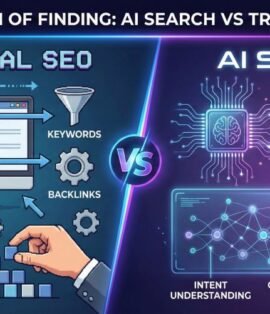
The biggest mistake in SEO content strategy today is writing for 2020. Back then, keyword density mattered. Now, it’s about entity-based SEO writing.
AI Overviews (SGE): Google now summarizes answers at the top of the page. If your content isn’t structured to be recognized as a “fact,” you are invisible.
Semantic Search: Google understands that “cheap running shoes” and “affordable footwear for joggers” are the same thing.
E-E-A-T is King: Experience, Expertise, Authoritativeness, and Trustworthiness are the primary filters against AI-generated spam.
To win, you must shift from “Keywords” to “Concepts.”
Before you type a word, you need a plan. Keyword research for content in 2026 goes beyond search volume.
AI engines look for direct answers. Use tools like AnswerThePublic or your own customer support logs to find NLP keywords optimization opportunities.
Old Way: Target “SEO content writing tips”
New Way: Target specific questions like “What is the ideal paragraph length for mobile SEO?”
Your SEO content framework must align with where the user is:
1. Informational: “What is SEO optimized content?” (Blog Guides)
2. Commercial: “Best SEO content writing services” (Listicles/Comparisons)
3. Transactional: “Hire SEO content writer” (Service Pages)
If Google’s AI can’t parse your content, it won’t rank it. Content structure for SEO is arguably more important than the writing itself.
To win Featured Snippets and SGE citations, use the “Answer First” method.
The Question: Make it an H2 (e.g., “## What is SEO Optimised Content?”).
The Answer: Immediately follow with a 40-60 word direct definition. No fluff.
The Context: Then, expand with details, examples, and data.
You cannot ignore technical SEO. Use Article, FAQ, and How-To schema to explicitly tell Google what your page is about. This is a core part of content optimization for Google.
This is where the human element shines. AI can write generic copy, but it can’t demonstrate Experience.
Anyone can say “SEO is important.” Real experts say, “In our recent audit of 500 SaaS blogs, we found that structured data increased CTR by 22%.”
Use data-backed insights.
Share real-world examples or mini case studies.
Avoid “AI-sounding” fluff (e.g., “In the fast-paced world of…”).
Content readability SEO is a ranking factor because it affects dwell time.
Short Paragraphs: 2-3 sentences max.
Visually Scannable: Use bullet points (like this list) and bold text for impact.
Rich Media: Embed videos, infographics, and screenshots.
Once the draft is done, use this SEO writing checklist to polish.
URL: Keep it short and punchy (e.g., `/how-to-write-seo-content`).
H1: Must include the primary keyword.
First 100 Words: Announce the topic immediately.
Images: Alt text should describe the image using LSI and semantic keywords.
Semantic SEO relies on topic clusters.
Link to your “Money Pages” (Service pages).
Link to related “Cluster Content” (e.g., “common SEO content writing mistakes,” “internal linking strategy“).
This tells Google that you have topical authority content.
At YoGrow Solutions, we don’t just follow trends; we set them. Our team of professional SEO copywriting experts combines data science with human creativity.
Proprietary Research: We dig deeper than standard tools to find low to medium competition keywords your competitors missed.
Conversion Focus: We know that traffic is vanity; revenue is sanity. Every piece we write is designed to convert.
Future-Proofing: We optimize for Gemini SEO content and Google SGE optimized content standards today, not tomorrow.
Mastering how to write SEO friendly content in 2026 is a blend of art and engineering. You need the empathy to understand user intent and the technical skill to speak the language of AI algorithms.
By following this framework—prioritizing entities, structuring for atomic answers, and doubling down on E-E-A-T—you can build a content engine that drives qualified traffic for years to come.
Ready to elevate your strategy? Hire an SEO content writer who understands the future.
YoGrow Solutions Pvt Ltd
The Top Growth Partner for Data-Driven SEO.
Website: https://yogrowsolutions.com
Email: info@yogrowsolutions.com
Phone: +1 (571) 408-6124
Address: 418 BROADWAY, ALBANY, NY 12207
Non-SEO content is written purely for the reader without considering searchability. SEO optimised content is written for both the reader and the search engine, ensuring it can be found, indexed, and ranked for specific user queries.
SEO content length best practices vary by topic. For comprehensive guides, 1,800–3,000 words is standard to demonstrate depth. For simple questions, 300 words may suffice. Always prioritize “completeness” over arbitrary word counts.
Yes, but with caution. AI SEO content writing tools are great for outlines and research, but unedited AI content often lacks E-E-A-T and can be flagged as “spammy.” Always have a human expert review and refine the output.
Google ranks content based on relevance (Semantic SEO), authority (Backlinks & E-E-A-T), user experience (Core Web Vitals), and helpfulness (Did it solve the user’s problem?).





Leave A Reply Now