



In the rapidly evolving landscape of digital marketing, staying ahead of the curve is not just an advantage; it’s a necessity. As we move into 2026, the rules of On-Page SEO are being rewritten by advancements in AI, evolving user behaviors, and Google’s relentless focus on quality and experience. This guide provides a comprehensive On-Page SEO Checklist for 2026, designed to help you optimize your content, satisfy search intent, and dominate the SERPs.
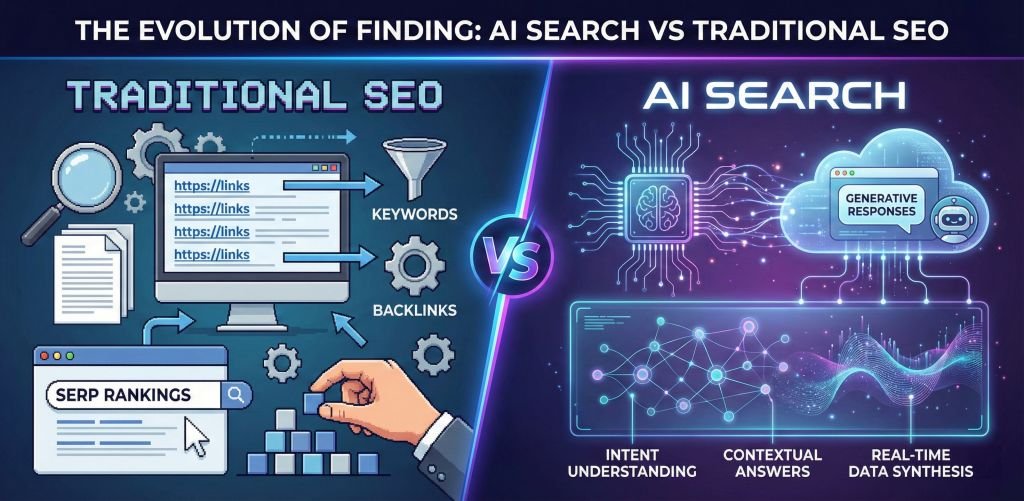
Gone are the days when simple keyword placement was enough to rank. Today, search engines understand context, nuance, and user satisfaction better than ever. 2026 marks a pivotal shift where technical excellence meets deep, authoritative content. Whether you are running a technical seo audit or launching a new site, this checklist is your roadmap to success. We will cover everything from mobile-first indexing to advanced schema markup, ensuring your strategy is robust and future-proof.
Before diving into content, your website’s technical foundation must be rock solid. A beautiful house built on sand will not stand; the same applies to your website.
With mobile traffic dominating global usage, Google’s mobile-first indexing is the standard. Your mobile seo checklist should prioritize responsive design that adapts seamlessly to any device.
Core Web Vitals: Ensure your LCP (Largest Contentful Paint), INP (Interaction to Next Paint), and CLS (Cumulative Layout Shift) scores are in the green. A core web vitals checklist is essential for user retention.
Page Speed: Compress images and minify CSS/JS to ensure lightning-fast load times.
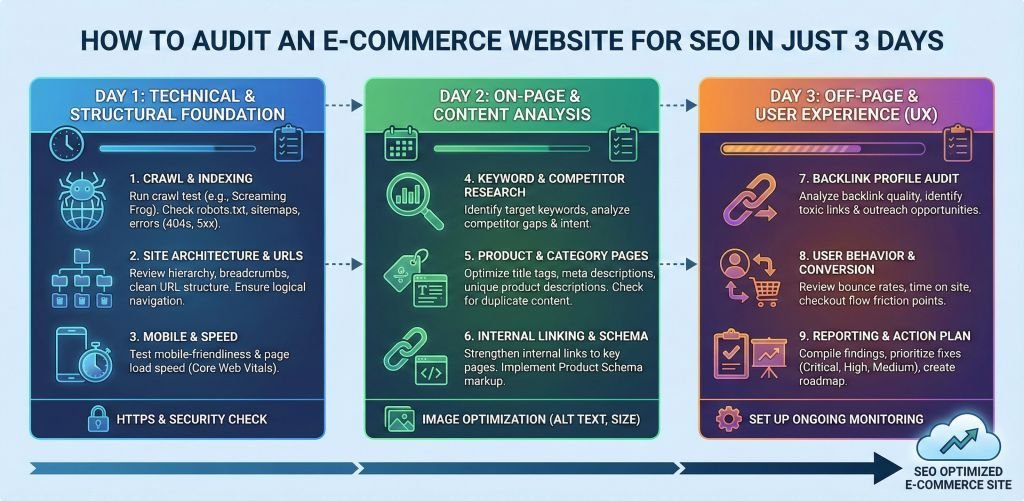
Regular maintenance is key. Performing a technical seo audit helps identify broken links, crawl errors, and indexability issues.
Tools: Use a reliable seo audit report tool to scan your site.
Fixes: Address 404 errors and redirect chains immediately.
Security: Ensure HTTPS is implemented correctly across all pages.
Content remains king, but the standards have risen. Google’s E-E-A-T (Experience, Expertise, Authoritativeness, Trustworthiness) framework is more critical than ever in 2026.
Your content must directly answer the user’s query. Analyze the SERPs to understand what users are looking for—be it informational, navigational, or transactional.
Depth: Go beyond surface-level information. Use content audit checklist protocols to find gaps in your existing content.
Uniqueness: Provide unique value or a fresh perspective that AI-generated summaries cannot replicate.
Keywords are the bridge between user intent and your content.
Primary Keyword: Include “On-Page SEO Checklist 2026” naturally in your H1, introduction, and conclusion.
LSI Keywords: Use latent semantic indexing terms like on page optimization techniques, blog post seo checklist, and seo checklist for new websites. This helps search engines understand the context of your page.
Avoid Stuffing: Write for humans first. If it sounds robotic, rewrite it.
These elements communicate directly with search engine crawlers and influence your click-through rates (CTR).
Title Tags: Keep them under 60 characters. Include your primary keyword near the beginning.
Meta Descriptions: Write compelling summaries (under 160 characters) that encourage clicks. This is your refined elevator pitch to searchers. Meta tags optimization 2026 strategies focus on natural language and CTR.
Use H1 for your main title and H2/H3 for subsections. This hierarchy helps crawlers understand your content structure and improves readability for users.
To truly compete in 2026, you need to leverage advanced optimization techniques.
A strong internal linking strategy connects your content, distributing link equity and helping users discover related topics. Link to high-authority pages within your site to boost the credibility of newer posts.
Structured data helps search engines understand your content types (articles, products, reviews). Implementing schema markup for 2026 can earn you rich snippets—those eye-catching stars and info boxes in search results that drive higher CTR.
Don’t let giant images slow you down.
Alt Text: Describe images accurately using keywords where relevant.
Format: Use Next-Gen formats like WebP for better compression without quality loss.
How do you know if your efforts are working? You need to audit your progress.
1. Crawl Your Site: Use a technical seo audit service tool or software like Screaming Frog.
2. Analyze Reports: Generate a seo audit report or sample seo audit report to visualize data.
3. Identify Weaknesses: Look for off page seo audit opportunities and on-page gaps.
4. Action Plan: Create a seo migration checklist if you are moving domains or changing structures.
While you can learn how to audit seo yourself using a seo audit how to guide, complex sites often benefit from a complete seo audit by professionals. An automated seo audit can catch basics, but a human expert provides the strategy.
Mastering On-Page SEO in 2026 requires a blend of technical precision and creative content marketing. By following this On-Page SEO Checklist for 2026, you are not just optimizing for bots; you are building a better experience for your users. From fixing technical debt with a technical seo audit template to refining your content strategy, every step counts.
Ready to dominate the search results?
At YoGrow Solutions, we specialize in turning checklists into revenue. If you need a seo audit report for client presentations or a comprehensive technical seo audit service, our team is here to help.
Contact YoGrow Solutions:
Website: https://yogrowsolutions.com
Email: info@yogrowsolutions.com
Phone: +1 (571) 408-6124
Address: 418 BROADWAY, ALBANY, NY 12207
Don’t leave your rankings to chance. Let’s grow together.





Leave A Reply Now